Your first Norfolk Beer Festival goes wrong in small, avoidable ways. You buy a full pint of something you do not like. You join the food queue at exactly the moment every stall has a twenty-deep line. You are still at the bar when the last bus pulls out, and the taxi queue is longer than the bar queue was.
None of that takes much effort to dodge. An hour of planning beforehand — tickets, tokens, a rough tasting order, a firm plan for getting home — leaves you free to spend the day doing what you came for. Here is how to make the first one a good one.
Tickets: book early and pick your session
Almost everything at a beer festival is easier if you buy before the day. Gate tickets usually exist, but they are the first thing to go when the forecast is good, and the queue for them is the slowest queue on site.
Two things to check before you pay. The session: festivals typically run separate afternoon and evening sessions, and an afternoon ticket will not get you in at seven. And the contents: some tickets include a glass and a few tokens, others are entry only. Buy from the festival's own ticket page where you can. If you are offered a ticket elsewhere, ask whether it is transferable before any money changes hands.
While you are on that page, check three practical details: whether the site takes cards, cash or tokens; what the bag policy is; and whether there is seating. Standing for five hours is fine at twenty-five and less fine at sixty.
Tokens, glasses and what a sample actually means
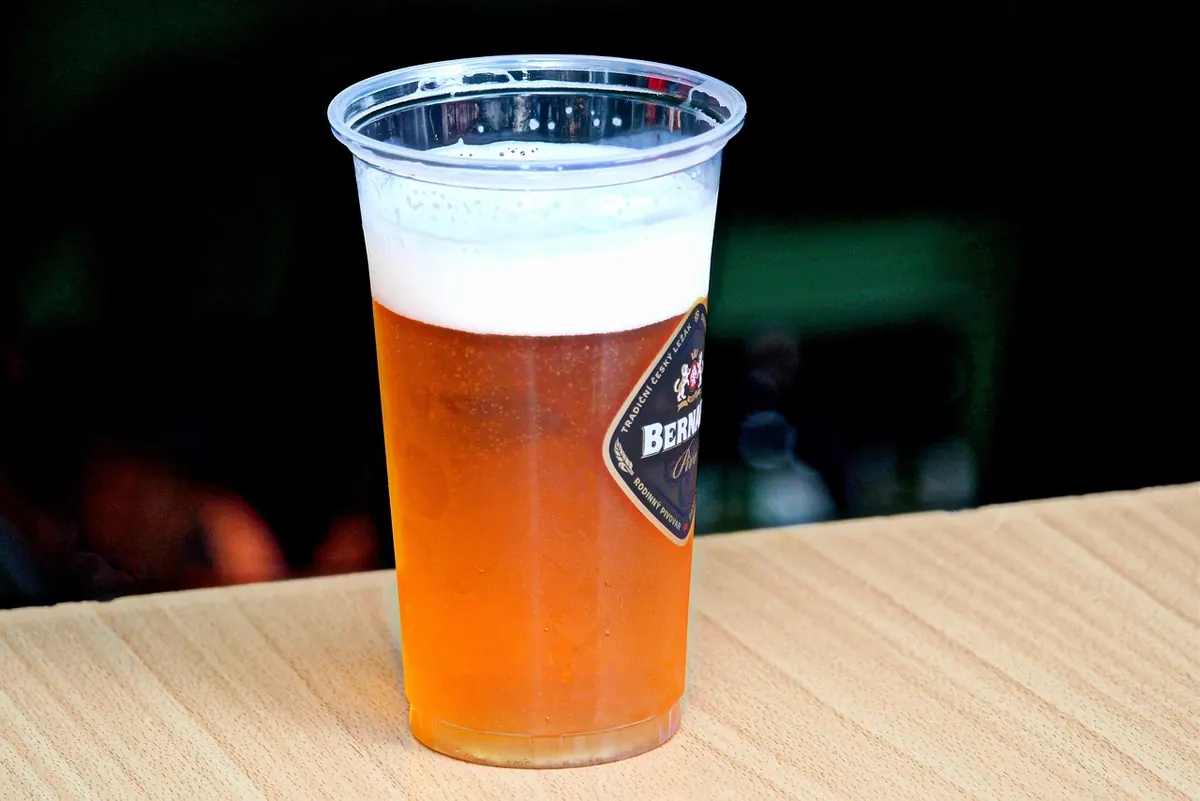
Most festivals do not price beer by the pint. You buy a glass near the entrance, then buy beer in measures — with cash, tokens, or a card tied to a wristband.
- Third of a pint. The serious taster's size. You can try three or four different beers in the time it takes to drink one pint, and if something is not for you, you have lost very little.
- Half pint. The sensible default. Big enough to judge a beer properly, small enough that you are still upright at eight o'clock.
- Pint. Fine for something you already know you like. A poor gamble on a strong dark beer you have never heard of.
Ask what measures are available before you order, especially at a bar you have not used yet. It changes how far your money goes. Keep hold of your glass as well: where there is a deposit it is usually refundable, but the glass is the souvenir most people take home.
Water is normally free somewhere on site. Find it early, fill a bottle and use it.
A tasting order that saves your palate
Order matters more than you would think. A heavily hopped pale followed by an imperial stout flattens everything that comes after it. Work roughly light to dark, and weak to strong.
- Start with the lightest, driest, hoppiest beers on offer. They are also usually the lowest in strength.
- Move through ambers, bitters and milds — the middle of the table, and often where the best value is.
- Save porters, stouts and strong specials for the last hour, when your palate has already done the delicate work.
- Rinse your glass with a splash of water between styles, or ask for a clean one.
- Drink water every second or third sample. Nobody regrets this.
Keep a note of what you drink, on your phone or in the programme. By four in the afternoon every beer tastes faintly of the one before it, and you will want to remember the one you loved.
Food, water and pacing yourself
Eat before you are hungry. Food queues peak in the early afternoon and again as the evening session fills, and the busiest half hour is exactly when you least want to be standing in a line.
There is usually more choice than the headline burger van — pies, chips, curry, local cheese, something vegetarian, coffee better than you expect. Expect festival prices rather than pub prices, bring a little more than you think you need, and sit down if you can find a table. A proper meal in the middle of the day is worth more than anything else you will do.
If you are taking medication or managing a health condition, ask a pharmacist or your GP how alcohol fits with it before a long session. Tolerance varies with weight, food and what else you have taken that day; there is no fixed number of samples that suits everyone.
Getting home: late buses, taxis and the sober driver
This is the part people plan last and regret most. Before you set off, find the last departure home — not the last bus from the town centre, which is a different thing entirely.
Festival shuttles are the usual option. Many run to the city centre or a park-and-ride site, with the final bus leaving shortly after the bars close. Check the operator's timetable for the day itself rather than a general route map, because late services often run a different route and stop somewhere other than where you were dropped off. Ask a steward where the return stop is while it is still light.
- Bus or shuttle. Cheapest and quickest if you catch it. Leave the last half hour of the festival for the walk to the stop — the last bus will not wait, and a missed one turns a cheap evening into an expensive one.
- Taxi. Book before you go, or at least before your final sample. The rank at closing time can mean an hour in a queue, and the phone lines are busy when everyone else has the same idea. Save a local firm's number in advance.
- A sober driver. If someone is driving, they drink nothing at all. Not one, not a half. Buy their ticket, buy their food and say thank you properly.
And if you have been drinking, do not drive. It is entirely possible to be over the limit without feeling drunk, and the morning after counts too. If you are on the train, check the last service rather than assuming, and know how you are getting from the station to your door.
Before you set off: a five-minute checklist
- Ticket downloaded and screenshotted in case the signal fails.
- Session times, plus the last bus or train home.
- A bottle of water and something to eat before you arrive.
- Cash if the festival uses tokens, plus a card as backup.
- Phone charged, and a taxi number saved.
- A jumper. Norfolk evenings turn cool long before the bars close.
Then stop planning. Go, taste things you would never order in your local, talk to the people pouring, and get home without drama. That is the whole trick.
Photo: 11040735 / Pixabay