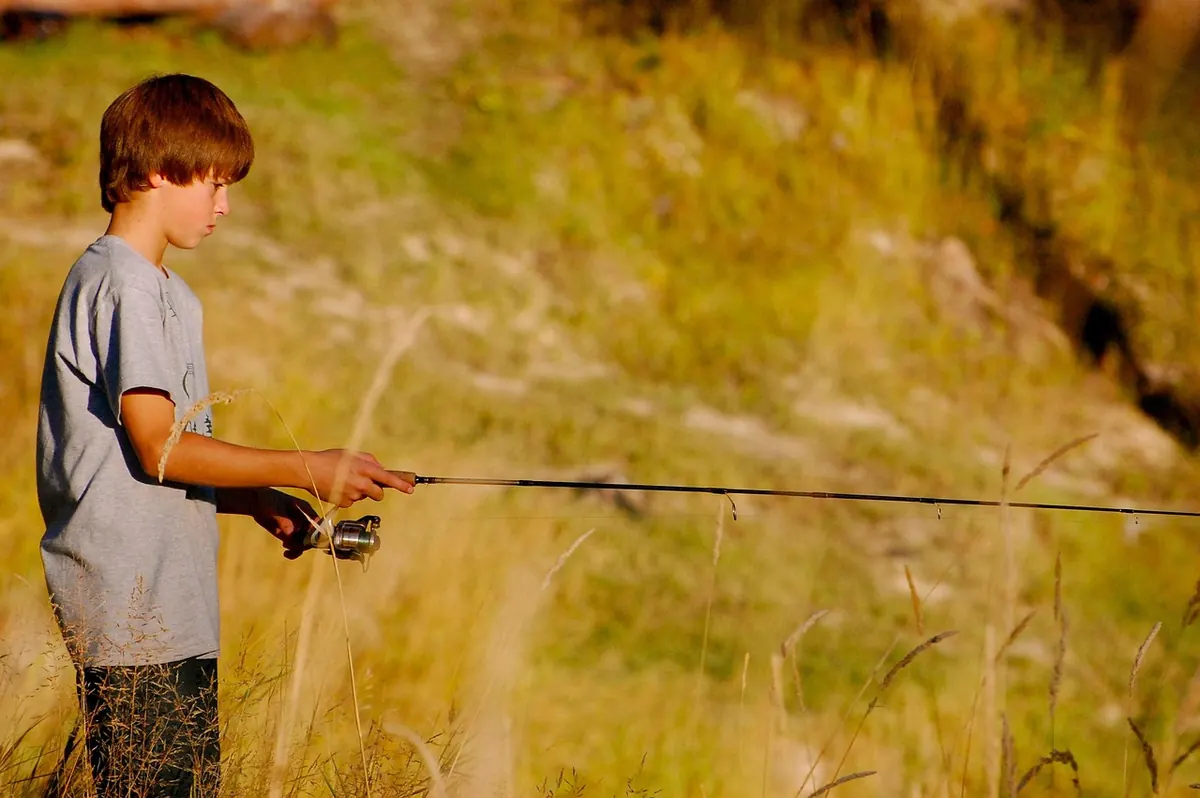
Norfolk is generous to new anglers. Within twenty minutes of most towns you can be sitting behind a float on a river, a broad or a club lake, and the fishing is often better than the scenery suggests. That generosity is also the trap. The county's waters come with rules, habits and hazards that nobody explains at the tackle counter, and most beginners learn them the expensive way. Here are the five mistakes that catch out almost every first-timer here, and how to put each one right before your next trip.
Mistake one: thinking a rod licence is the only paperwork you need
It isn't, and this is where a lot of people get caught out in their first fortnight.
In England you need an Environment Agency rod licence to fish for coarse fish or trout in freshwater. Anyone aged 13 or over needs one; under-13s don't. If you want to fish two rods at once, you need the two-rod version, not the single. You can buy it online in a few minutes, and it covers you across the country rather than for one water.
What it doesn't do is give you permission to fish anywhere. Most of Norfolk's river stretches, broads and pits are controlled by angling clubs, and plenty of the free-looking banks are privately owned or leased. A rod licence is a tax; a permit is permission. They are two different things.
The fix takes one phone call. Ring or visit a tackle shop near where you want to fish, tell them the water you have in mind, and ask who controls it and whether day tickets are sold. Shops in Norwich, Wroxham, Aylsham, Dereham and Diss deal with this daily and will know whether you can pay on the bank or need to sort it in advance.
While you're asking, check three things: whether the river close season applies (on rivers it runs from mid-March to mid-June), whether keepnets are allowed, and whether night fishing is permitted. Rules and ticket prices change, so confirm the current position with the club or the Environment Agency rather than trusting something you read last season.
Mistake two: choosing bait before you've looked at the water
New anglers tend to buy whatever the shelf in front of them is pushing, which usually means pellets or boilies designed for a stocked commercial pool. Then they fish a shallow broad full of rudd, roach and skimmer bream, feed a kilo of the stuff, and wonder why nothing happens.
Bait should follow the water, not the other way round. Sit and watch for ten minutes first. Are fish topping? Are there bubbles? Is anyone else catching, and on what? Then pick something simple:
- Maggots and casters — the best all-round starting bait in Norfolk. Roach, rudd, perch, dace and most small silver fish will take them. Keep them cool and out of the sun.
- Sweetcorn — bream, tench and better roach. Two grains on a size 12 or 14 hook is plenty.
- Bread — chub and roach on the rivers. Flake on the hook, a pinch of liquidised bread as feed.
- Luncheon meat or pellets — bigger bream, tench and carp once the water has warmed up.
- Deadbaits and lures — pike, which is a different setup and its own set of rules. Don't start here.
Feeding matters more than the hookbait. Little and often beats one big dump of groundbait every time, especially on a broad where a heavy bed of feed simply fills the fish up. Start with a dozen maggots every cast and build from there.
Mistake three: picking a swim because it looks inviting
The prettiest peg on a Norfolk river is often the worst place to sit. Undercut banks on the Wensum, soft tidal margins on the Yare and Bure, and wooden platforms that have quietly rotted through their supports all look fine from the path. You find out they aren't when you put weight on them.
Work through this before you carry anything down to the water:
- Stop at the top of the bank and look. Is there a firm, flat spot to sit, or just a sloped, muddy edge?
- Probe the margin with a bank stick or landing net handle. If it sinks more than a few inches, don't sit there.
- Keep two or three feet back from the edge on rivers, and more on tidal stretches. Undercut banks collapse without warning.
- Look up as well as down. Rotten branches, wasp nests and overhead power lines rule a swim out completely.
- On tidal water, know the tide. A rising river can fill a gully behind you and cut off your way back.
- Tell someone where you are going and when you expect to be back, and carry a charged phone in a dry bag.
Two habits worth building now: don't wade into a muddy river margin in wellington boots, and if you are fishing alone in the dark on water you don't know, choose a club lake instead of a tidal river. The fish will still be there next week.
Mistake four: forgetting everything that happens after the bite
The bite is the easy part. Beginners often turn up with rod, reel and bait, and nothing for the fish once it's landed — no landing net, no unhooking mat, no forceps. Then they spend two minutes wrestling a flapping fish on gravel while it damages itself and them.
Sort the kit out before you go. A landing net, an unhooking mat or a damp soft patch of grass, a pair of forceps, and a cloth or towel. Wet your hands before handling a fish, never squeeze the body, and keep it out of the water for as short a time as you can — long enough for one quick photograph at most. Use barbless hooks while you're learning; they come out more easily and do less damage. If a hook has gone deep, don't dig for it. Cut the line as close to the hook as you can and return the fish gently.
Mistake five: treating a broad like a still-water pool
The Broads are not a quiet pond with fish in convenient places. They are shallow, wind-affected, busy with hire boats, and on the connected rivers they move with the tide. Beginners set up exactly as they would at a commercial fishery and then watch their float drift, their feed scatter and their peg fill up with boat wash.
Adapt instead. Fish into the wind rather than with it, because the wind pushes food and fish down one end. Use a slightly heavier float and a running lead so boat wash doesn't drag your tackle off station. Feed less than you would on a lake, and keep your gear tidy and off the mooring path so nobody has to step over it. Don't cast at moored boats, and don't assume a swim is empty because you can't see anyone — the angler on the opposite bank paid for the same water you did.
Before your next trip
Ten minutes of preparation covers almost all of this. Confirm your rod licence is current and that you have permission for the specific water. Buy bait for the fish that actually live there. Walk the bank before you unload the car, and stay back from the edge. Pack the net, mat and forceps. Then fish the water in front of you rather than the one you fished last summer.
Ask questions while you're out there, too. Norfolk's anglers are a talkative lot, and the person a few pegs down will usually tell you more in five minutes about the tide, the depth and what's being caught than any amount of guessing. That's how most people here learned.
Photo: FlyGirlsMedia / Pixabay